Color Psychology In Marketing The Complete Guide [Free Download]

Tertiary colors within the RYB color model are a mixture of two secondary hues. These colors are olive green, burnt sienna, and steel blue. The tertiary colors in the RGB color model are an equal combination of a primary color and a secondary color and are chartreuse, spring green, azure, violet, rose, and orange.
Color Theory 101 How to Choose the Right Colors for Your Designs

Tertiary colors are intermediate colors that are made by mixing equal concentrations of a primary color with a secondary color adjacent to it on the color wheel. There are three primary colors - red, yellow, and blue; three secondary colors (made from mixing two primaries together in equal concentrations) - green, orange, and purple; and six.
Colour Theory Basic information about colour
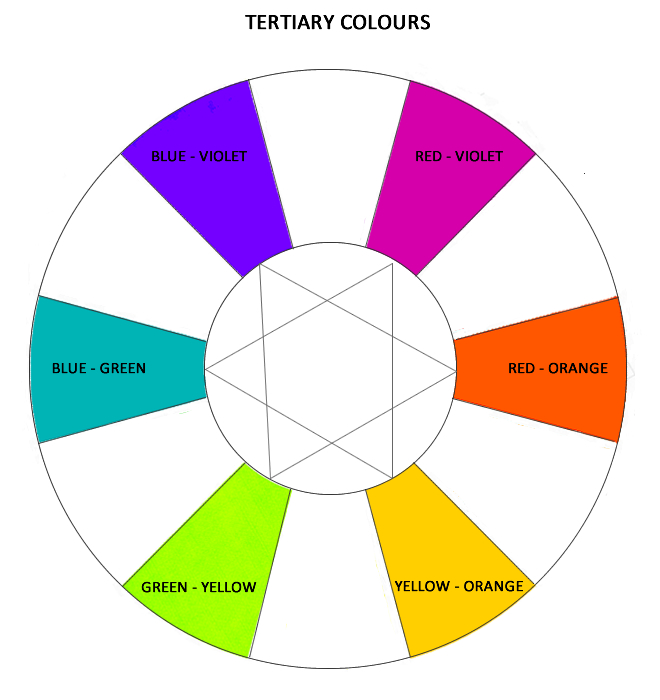
Tertiary colors are the colors that result from combining even amounts of a primary with a secondary color (such as one part yellow and one part purple), or uneven amounts of two secondary colors (such as one part green and two parts orange). The name tertiary color refers to the third color tier.
Color Theory Introduction to Color Theory and the Color Wheel The Paper Blog

A RYB color wheel with tertiary colors described under the modern definition. RYB is a subtractive mixing color model, used to estimate the mixing of pigments (e.g. paint) in traditional color theory, with primary colors red, yellow, and blue. The secondary colors are green, purple, and orange as demonstrated here: red.
DIgenY Design Basics Color Theory
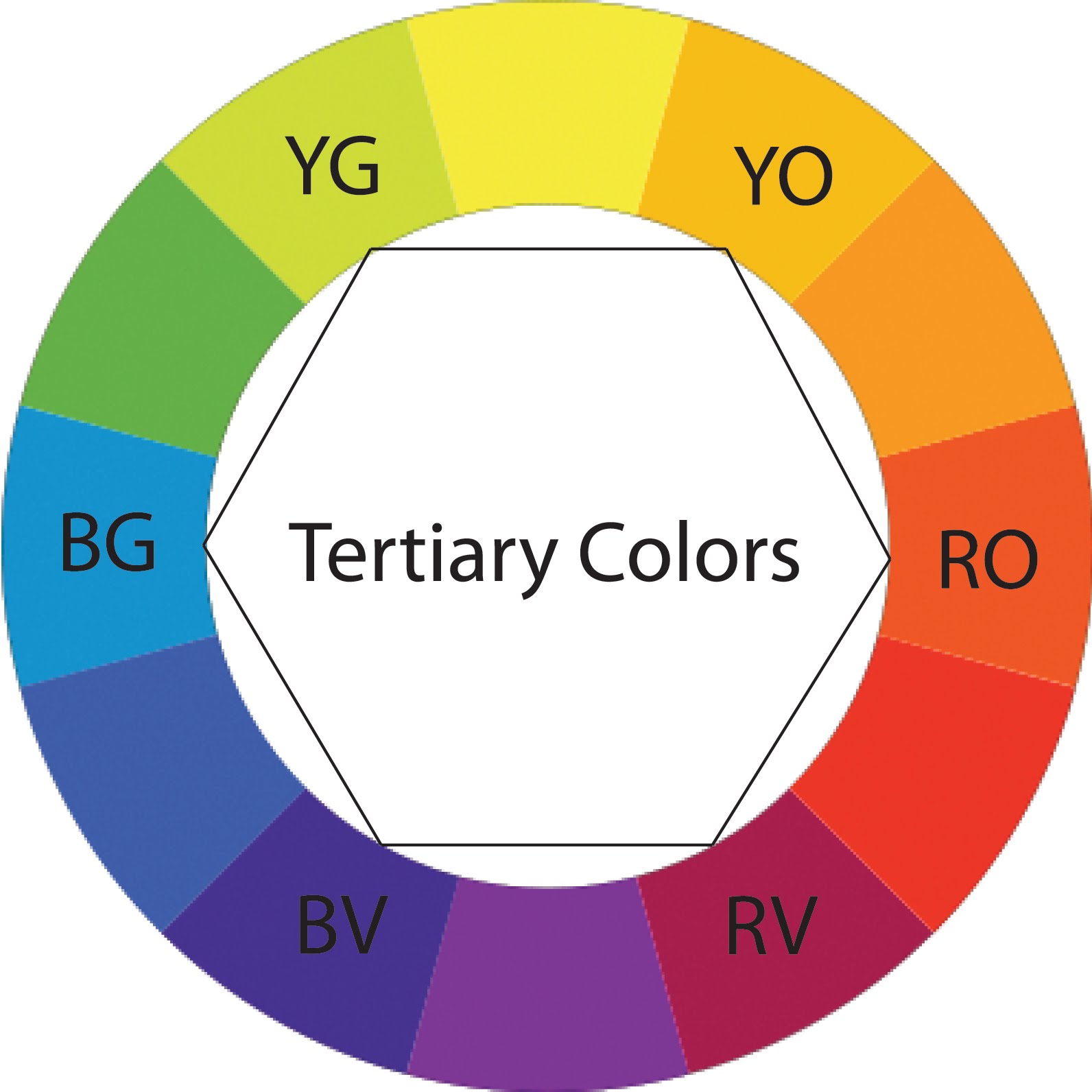
It's understood in the art world that tertiary colors are sometimes given creative names for artistic reasons: teal, chartreuse, vermilion, magenta, violet, and amber. These names do not alter the fact that a true tertiary color is derived from combining equal parts of one primary and one secondary color. In the RGB world, the tertiary colors.
Introduction to tertiary colors, tints and shades YouTube
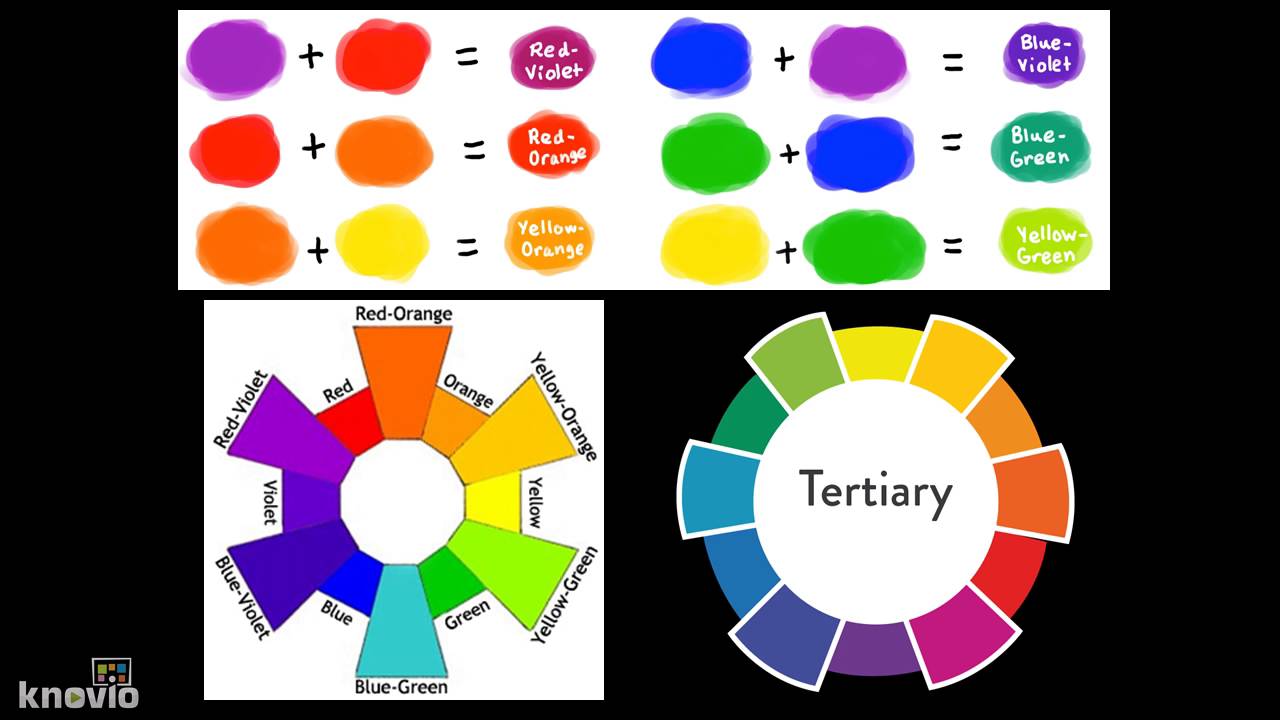
Tertiary colors: The combination of primary and secondary colors is known as tertiary or intermediate colors, due to their compound nature. Blue-green, blue-violet, red-orange, red-violet, yellow-orange, and yellow-green are color combinations you can make from color mixing. On a color wheel, tertiary colors are between primary and secondary.
Tertiary Colors Infographic Template Visme

Learn how tertiary colours (colors) are mixed. There are 2 types of tertiary colours, one made by mixing a primary with a secondary colour, and the other is.
VIDEO Color Tertiary Color Chart Colorful art projects, Tertiary color, Art lessons for kids

Tertiary colors (in the RGB model) Color Theory. Tertiary colors open up a new dimension of color theory. They provide access to a wider range of colors, expanding your palette. Color theory is the reasoning we can use to talk about color and create guidelines for using it effectively.
Color Terms for Art and Design 1
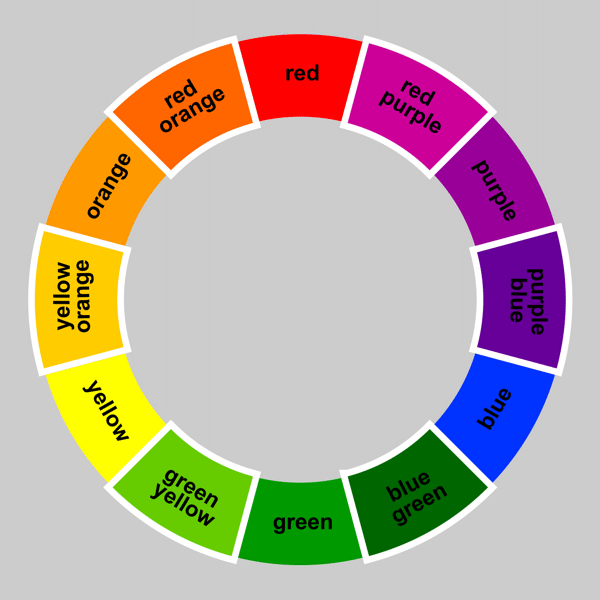
A. tertiary. colour is made by mixing equal amounts of a primary colour and a secondary colour together. There are six tertiary colours. On the colour wheel, they sit between the primary and.
What Are Tertiary Colors? Definition, Examples, & More! (2022) • Colors Explained
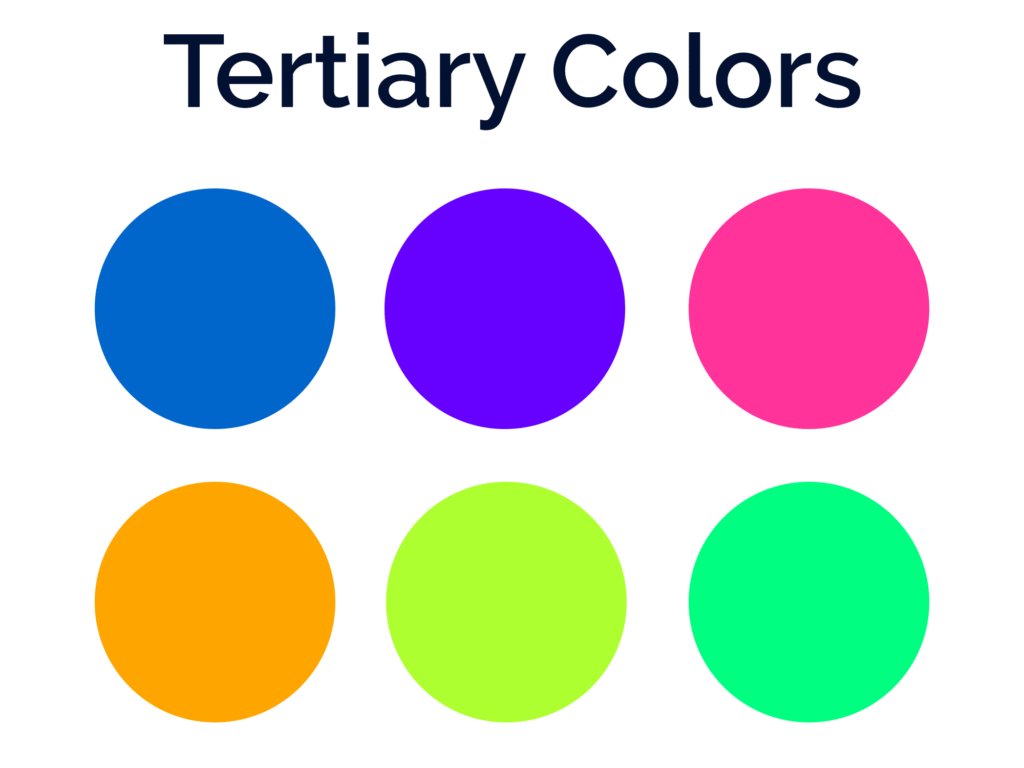
tertiary color: [noun] a color produced by an equal mixture of a primary color with a secondary color adjacent to it on the color wheel.
Pin by Le Small8 on tertiary colors Color theory, Tertiary color, Color mixing guide

Tertiary colors are made when you blend two secondary colors. These colors come together to form brown, gray, or sometimes, close to black colors. For example, orange mixed with green will give you brown. However, depending on the type of colors you use, you can get a range of similar hues like olive-brown.
A Basic Guide to Graphic Design Using Color Tertiary Colors
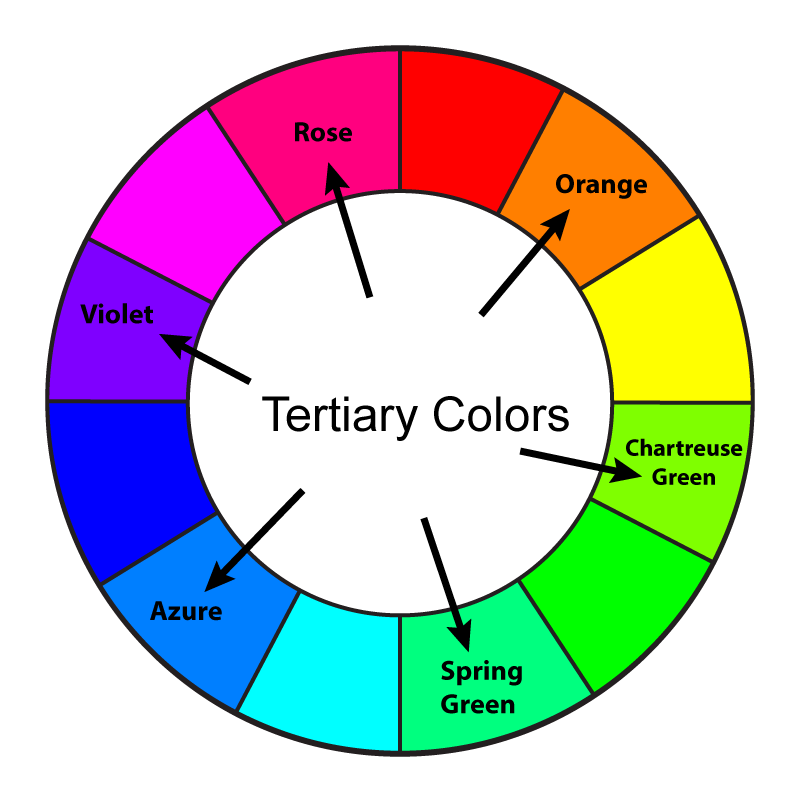
A Color Wheel is a visual tool used to organize colors based on their relationship to each other. It displays the primary, secondary, and tertiary colors and their respective hues, tints, and shades. A color wheel is an essential tool when creating a harmonious color palettes.
Decoding Artistry What Really are Tertiary Colors? Proactive Creative Guides for Visual Artists

The six main tertiary colours. There are six main tertiary colours. Artists use what they know about colours to help them make their art. Image caption, Yellow and orange mix to make yellow-orange.
Understand The Basics Of Color Theory — Simple Art Tips
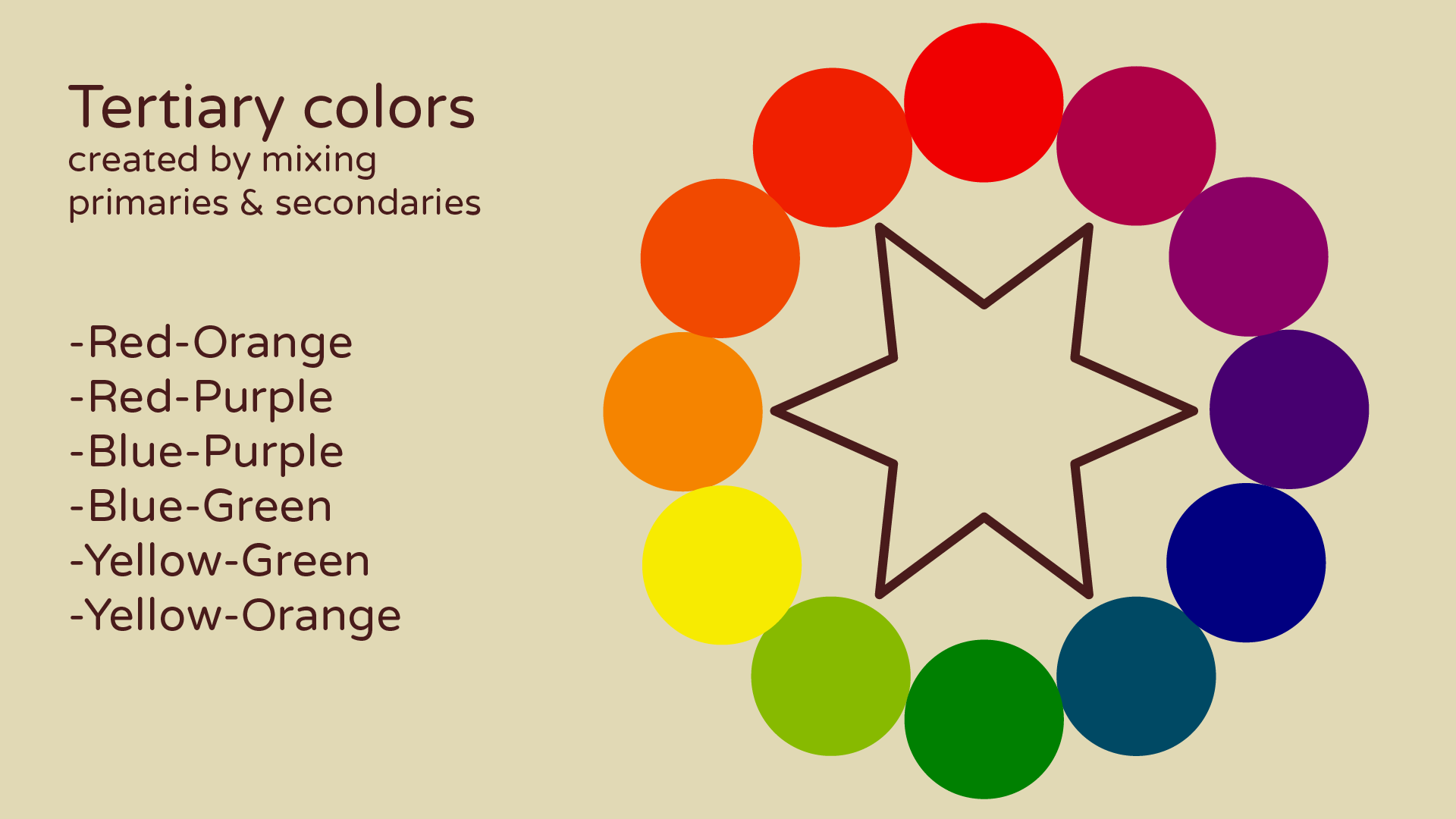
Tertiary colors are rose, violet, azure, spring green, chartreuse, and orange. Intermediate colors are yellow-orange, red-orange, red-violet, blue-violet, blue-green, and yellow-green. The easiest way to remember these colors is to put the name of the primary color first, and the intermediate color second.
Tertiary Color Meaning Everything You Need to Know About Tertiary Colors!
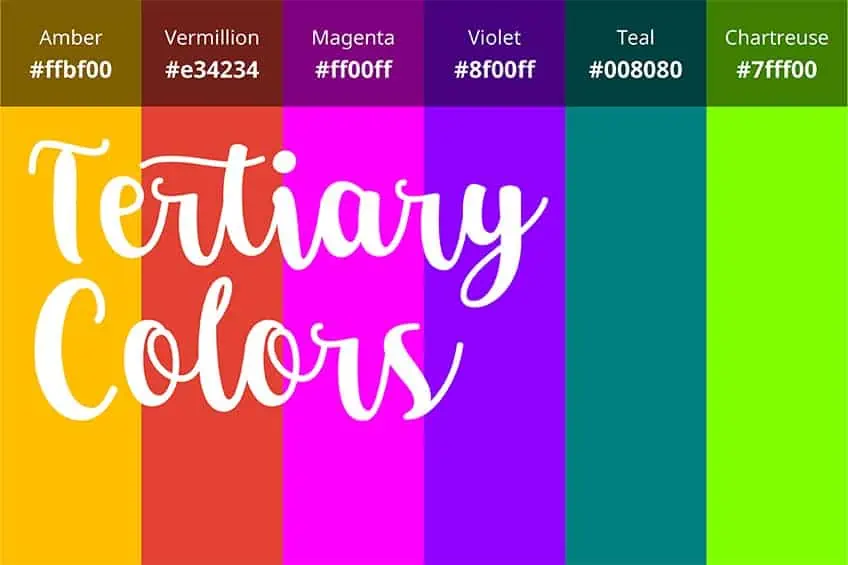
Theory 1: Mixing Two Secondary Colors = Tertiary Color. One theory suggests that a tertiary color is the result of mixing two secondary colors in an equal ratio. However, this method applies only to traditional art using any pigment, paint, or dye. It's not relevant to mixing different colored lights or digital art.
130 EyeCatching Color Combinations For Design Enthusiasts — The Designest
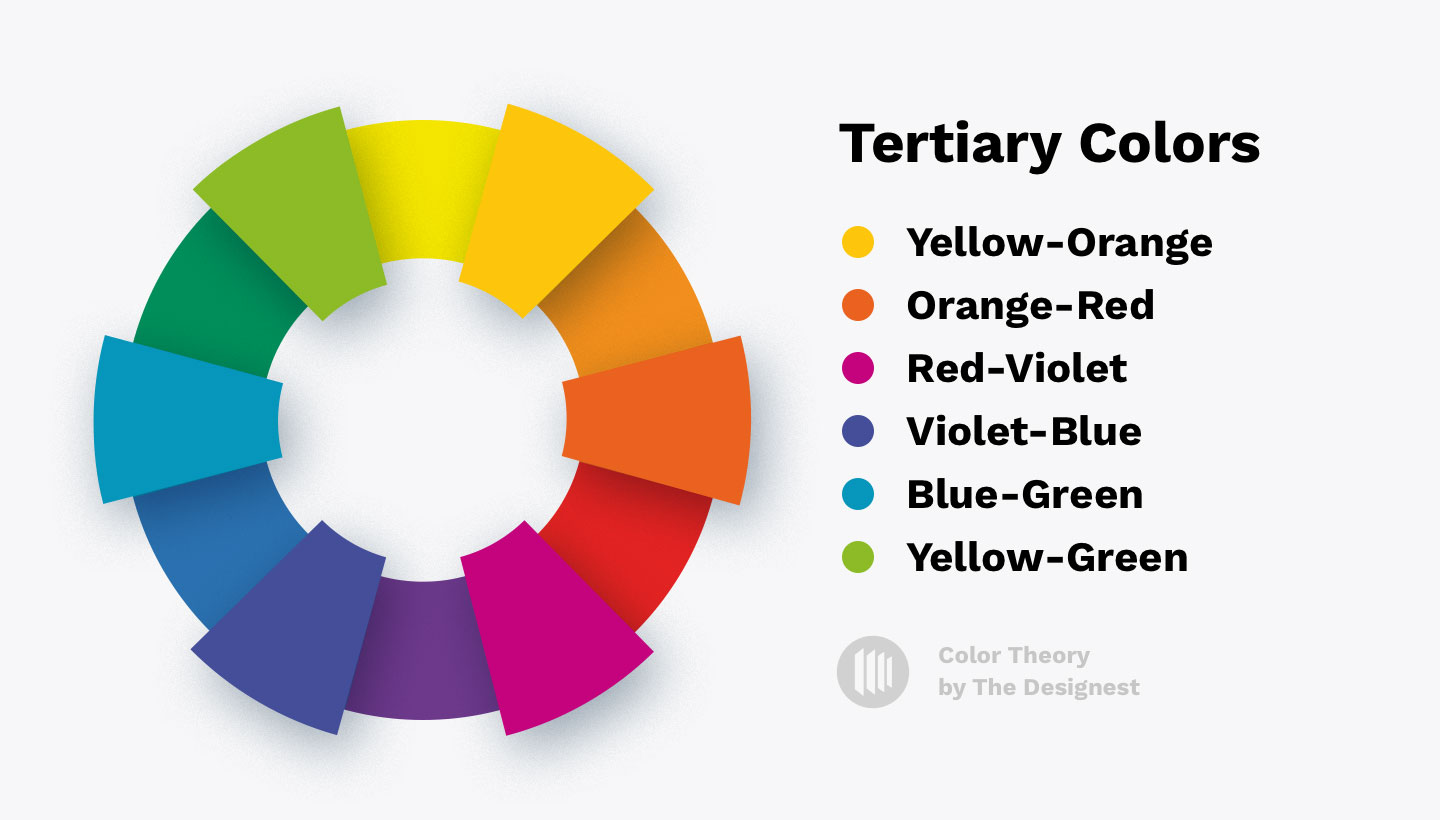
The six RYB tertiary colors are: Red-Orange. Yellow-Orange. Yellow-Green. Blue-Green. Blue-Purple. Red-Purple. Tip! To make it easier, the tertiary color names are displayed in the following format [primary color]- [secondary color].
.