FOAM FIRE EXTINGUISHERS (Chemical Foam) 9 LITRES DieselShip
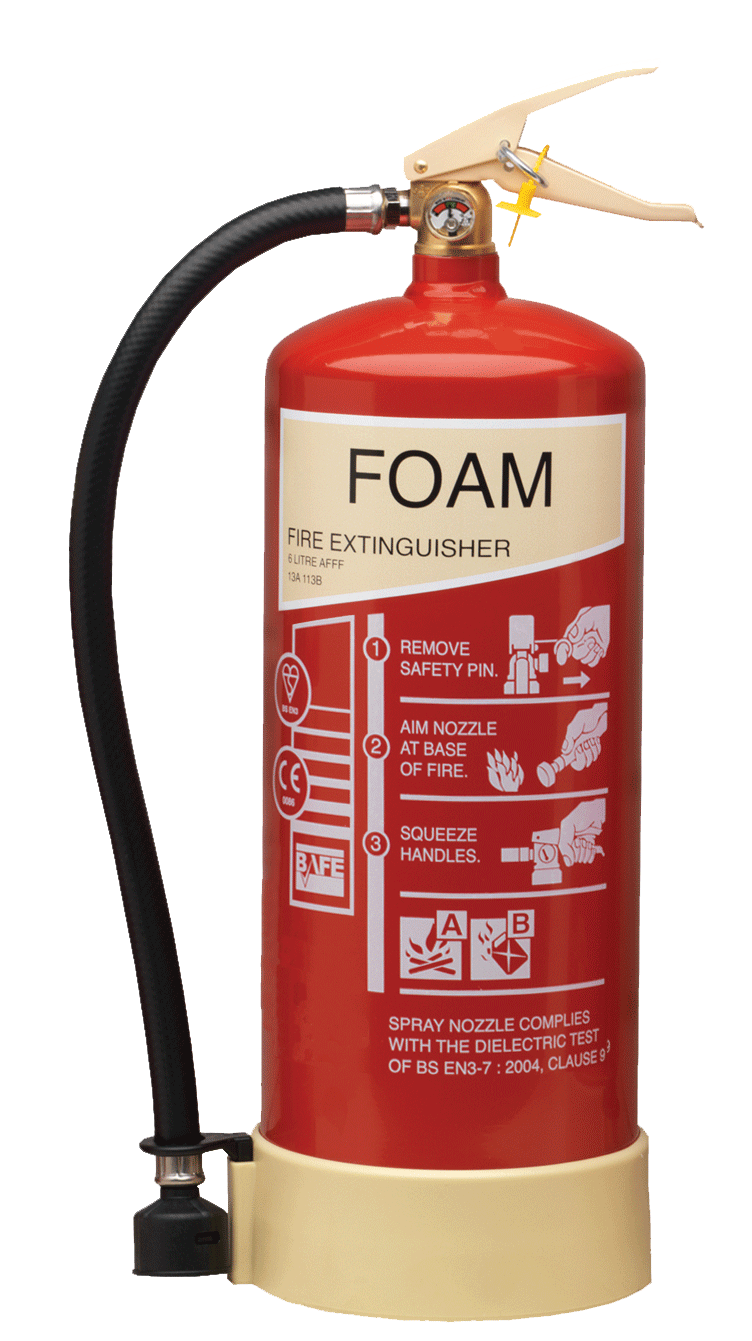
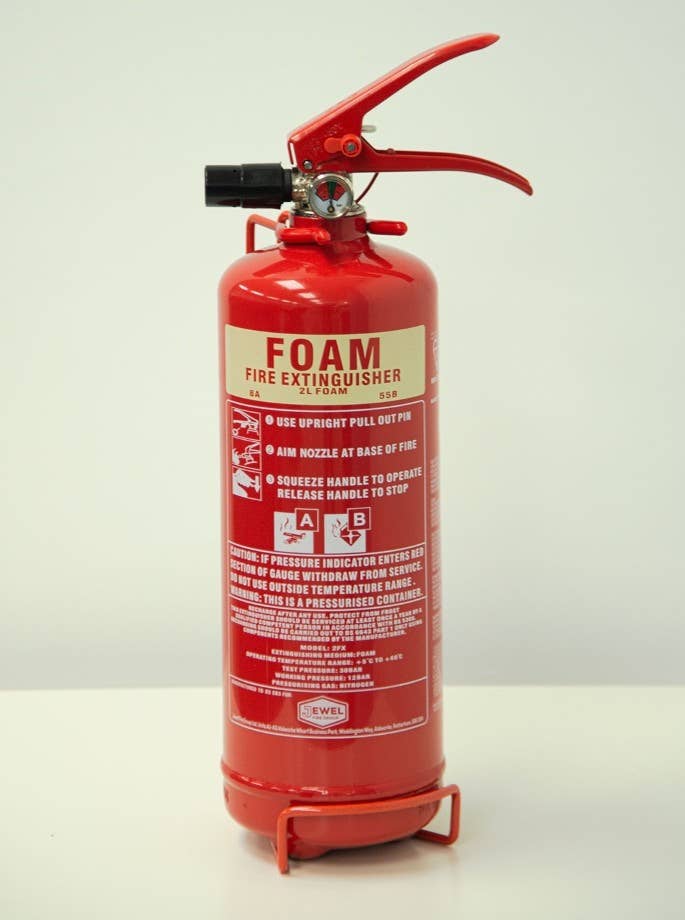
1、Pull the safety pin of the foam fire extinguisher, this will break the tamper seal. Pull the safety pin. Aim the hose. Squeeze the lever. 2、Aim the hose at the base of the fire. Hold the lower handle lever (the carrying handle) with one hand and grab the hose or nozzle with the other hand.
Foam Spray Fire Extinguisher Signs from Key Signs UK

Choosing the right fire extinguisher can be the difference between a minor incident and a catastrophe. The number one thing to consider when choosing between water vs foam fire extinguishers is the type of fire you are dealing with. Water extinguishers are effective on Class A fires, while foam extinguishers are suitable for Class A and Class B.
Foam Fire Extinguishers Spectrum Fire Protection

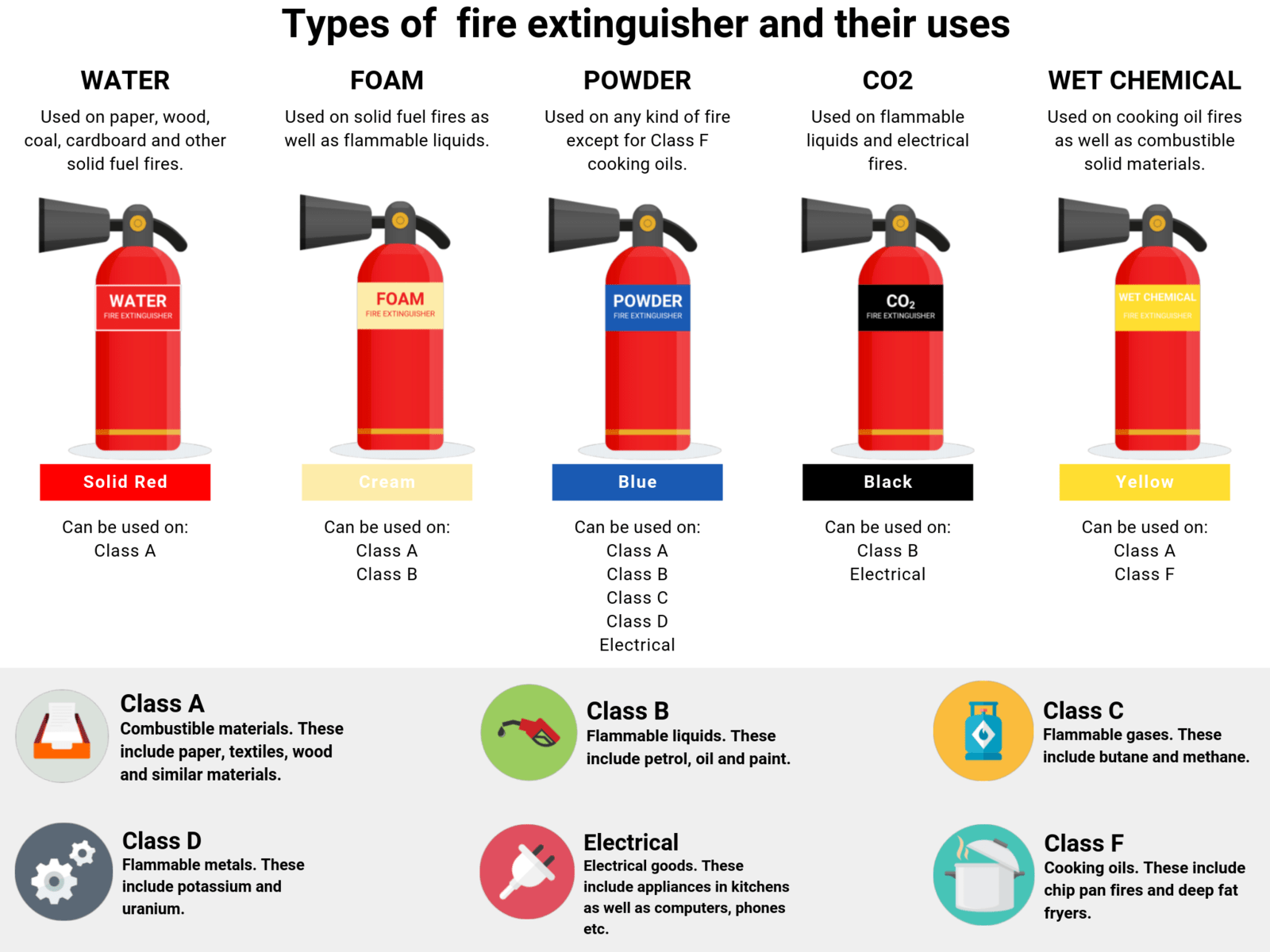
Foam fire extinguishers are used on Class A and Class B fires. They work by stifling flammable liquid fires or flammable solids with foam to cut off the oxygen supply and extinguish the flames. There are five main types of fire extinguishers, each further classified into categories. These are foam, water, dry powder, CO2 and wet chemical.
Types of Fire Extinguishers & Their Uses LW Safety Ltd
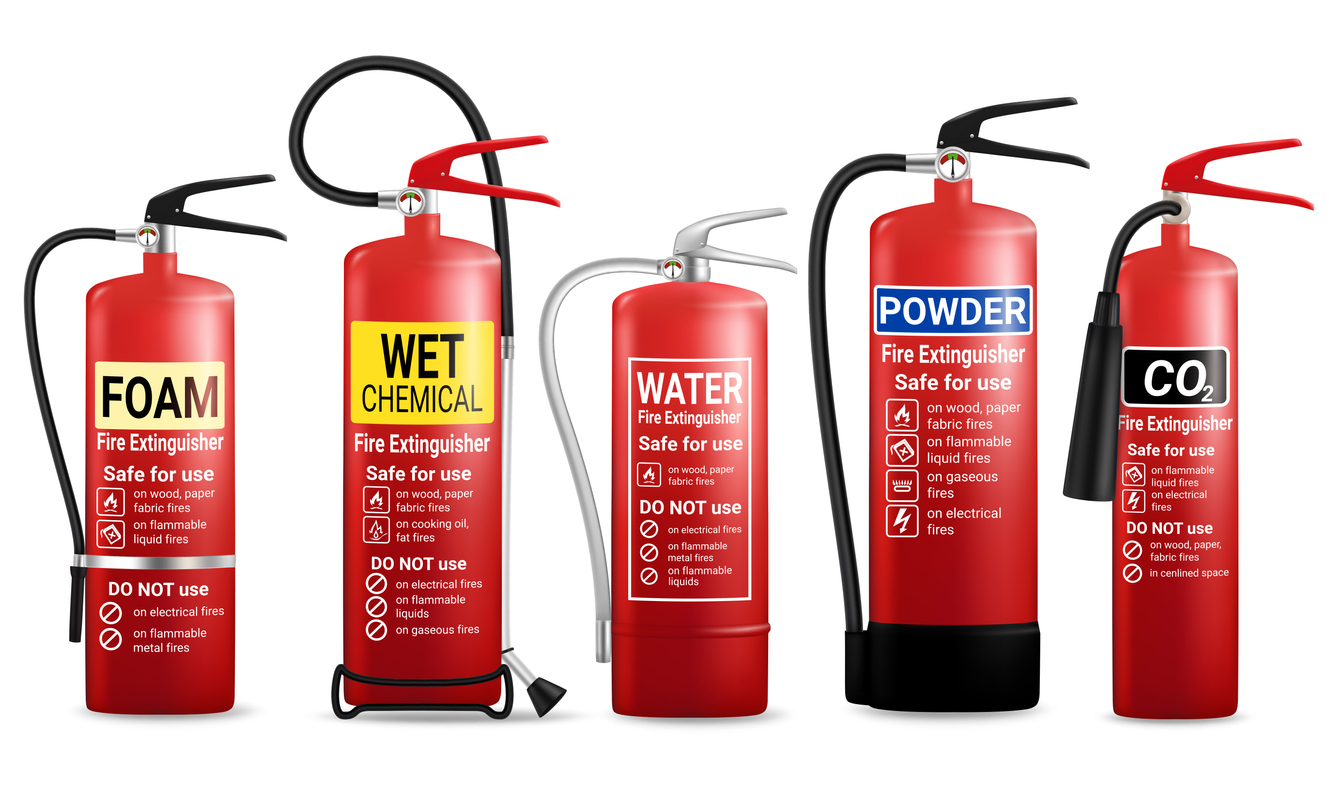
Understanding that foam fire extinguishers are unsuitable for all fire types is critical; this extinguisher type should not be used on: Class C fires (gas fires) - the foam cannot effectively smother these fires.; Class D fires (metal fires) - the water content in the foam can react dangerously with combustible metals.; Class F fires (cooking oil fires) - the foam cannot suppress the.
Premium FSS UK 6 Litre Foam Foam Fire Extinguisher Fire Extinguisher British Standard
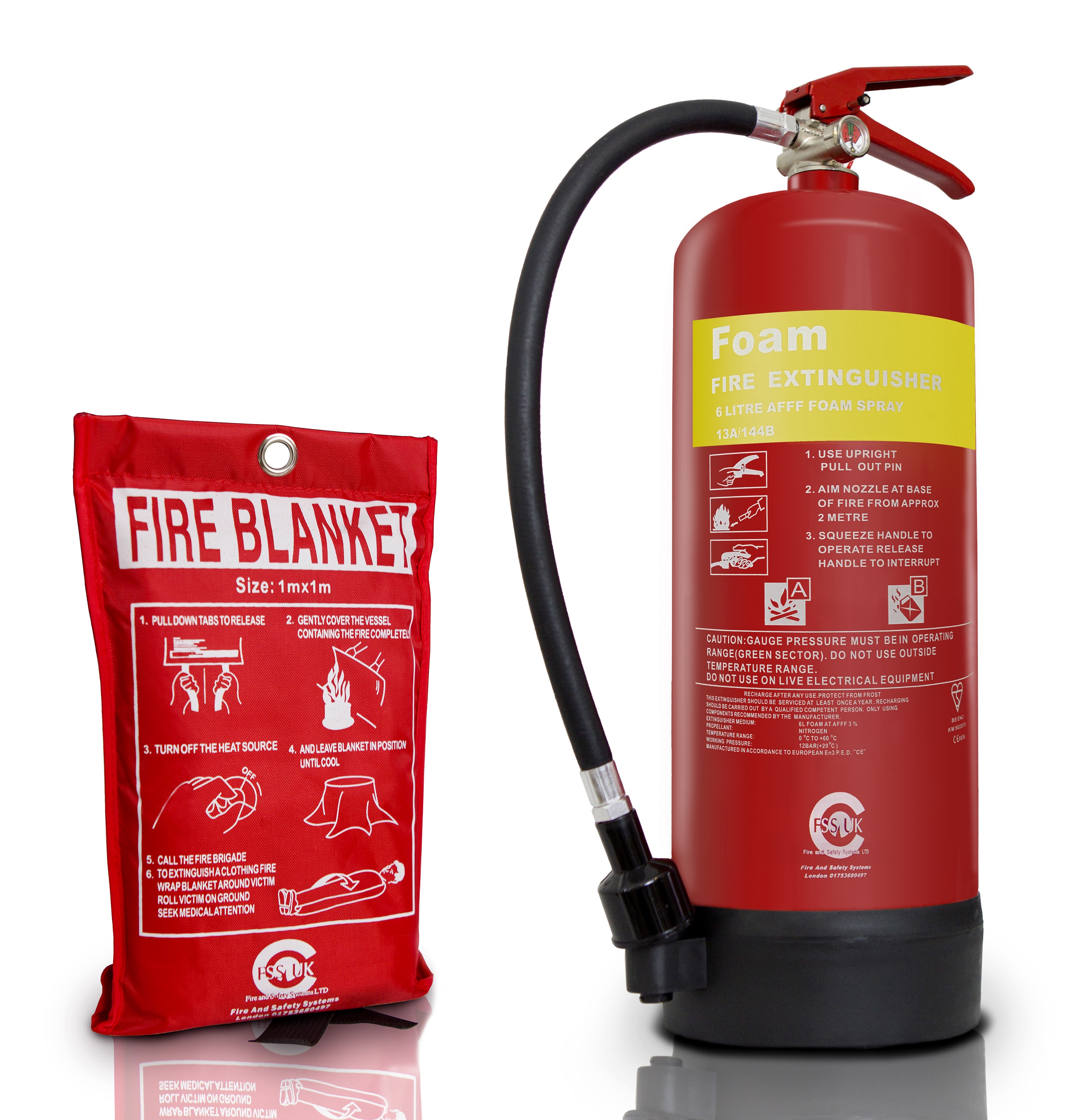
AFFF (aqueous film-forming foam) and FFFP (film-forming fluoroprotein) fire extinguishers are rated for use on both Class A and Class B fires. As the name implies, they discharge a foam material rather than a liquid or powder. They are not suitable for use in freezing temperatures. An advantage of this type of extinguisher when used on Class B.
Foam Extinguishers Reliable Fire Equipment Company » Reliable Fire & Security
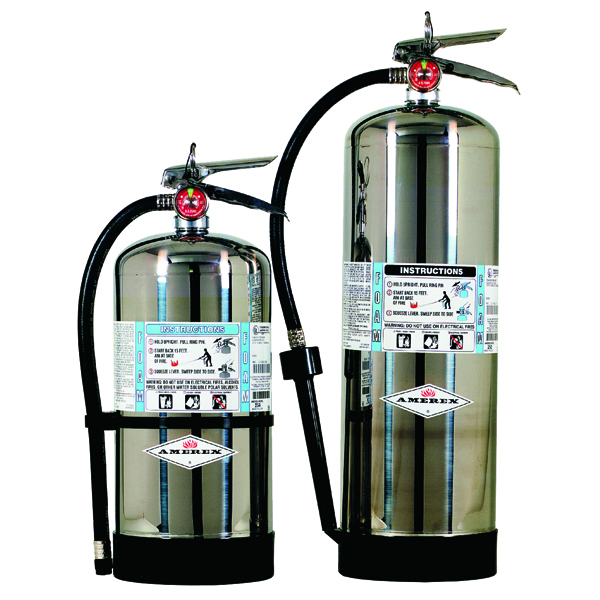
A foam fire extinguisher is a specific type of fire safety equipment containing a special foam that you can use to put out fires. The foam works in two ways; firstly through water, of which it is primarily made, which allows the user to extinguish a fire and lower the temperature of the materials acting as a fuel source.
Mechanical Foam based Stored Pressure Portable Fire Extinguishers Safex Fire

Foam Fire Extinguishers. Foam fire extinguishers are suitable for use on Class A and Class B fires. The foam builds up on the surface of burning liquids and flames, cutting off the flow of oxygen while cooling the fire. The residue left by a foam extinguisher is difficult to remove, by design, since it needs to blanket the fire in order to cut.
AFFF foam fire extinguisher with complete sign and label kit

Fire extinguishers vary in size and weight, but it is recommended to select the largest fire extinguisher that a user can safely and comfortably operate. How to read the classification label: The number before the "A" represents a multiple of 1.25 gallons of water whereas the number before the "B" represents a multiple of the area or size in square feet of fire to be extinguished.
Effective Portable Foam Fire Extinguisher

The foam smothers the fire in solids and liquids (Class A and B), but not in burning fats or cooking oils (Class F), so foam fire extinguishers are used on burning liquids such as petrol, paint or turpentine. A foam extinguisher can also be used on some electrical fires if they have been tested and if fired from 1 metre away. However, they.
Types of Fire Extinguishers Colours, Signage & Fire Classes
Contrarily, the modern-day foam-based extinguishers are much sleeker. They even come with a blue band above the instruction label. This type of fire extinguisher is perfect to fight fires triggered by the burning of solid wood, and even liquid fires, like burning petrol. The foam content in the canister holds the ability to penetrate into the.
Foam Extinguishers Protec Fire Detection

AFFF foam will not work well on fires involving alcohol because water is miscible in alcohol meaning it absorbs it. With regular AFFF foam, it can be metered at 1 percent, 3 percent or 6 percent.
Explained Foam type portable fire extinguisher Marine engineers knowledge
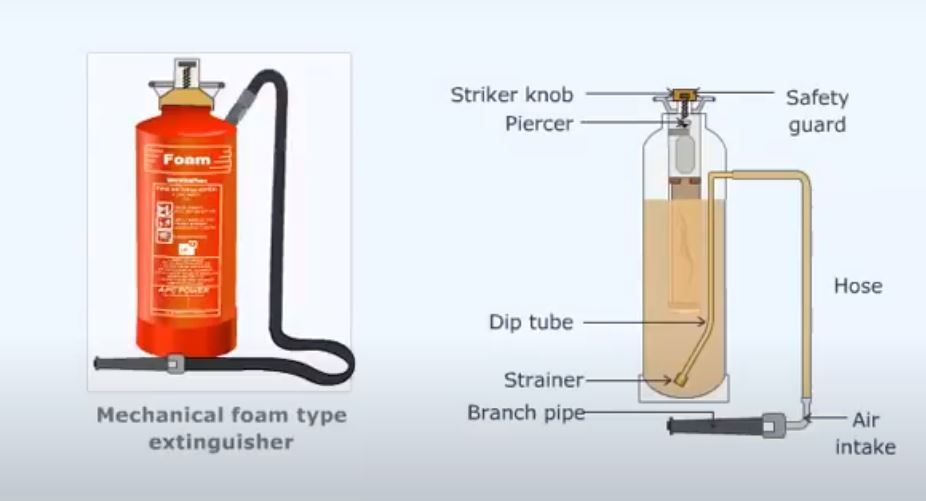
Foam fire extinguishers are suitable for Class A Fires, Class B Fires and Class F Fires. How is a foam fire extinguisher identified? You can identify foam fire extinguishers by colour on them, foam fire extinguishers should have a red body and an agent-specific colour code band covering between 5-10% of the surface relating to the extinguisher.
9 Ltr Foam Squeeze Grip Cartridge Type Fire Extinguisher As per IS 156832006 JK Fire

The five types of fire extinguishers. The five different types of portable fire extinguishers are water, powder, foam, wet chemical and carbon dioxide (CO2). There are as many as 15 if you count the supplementary portable fire extinguishers. Anyone who may have to use a portable fire extinguisher should be trained by a professional to do so.
Fire Extinguisher Types And Uses Chart vlr.eng.br
Step 1: Aim the foam fire extinguisher hose at the base of the flames, where the burning liquid or solid combustibles are. Keep the fire extinguisher itself on the floor at all times and a safe distance away from the fire itself. Step 2: Squeeze the lever in order to release the foam.
Foam Extinguishers Class A, B. Prestige Fire Protection
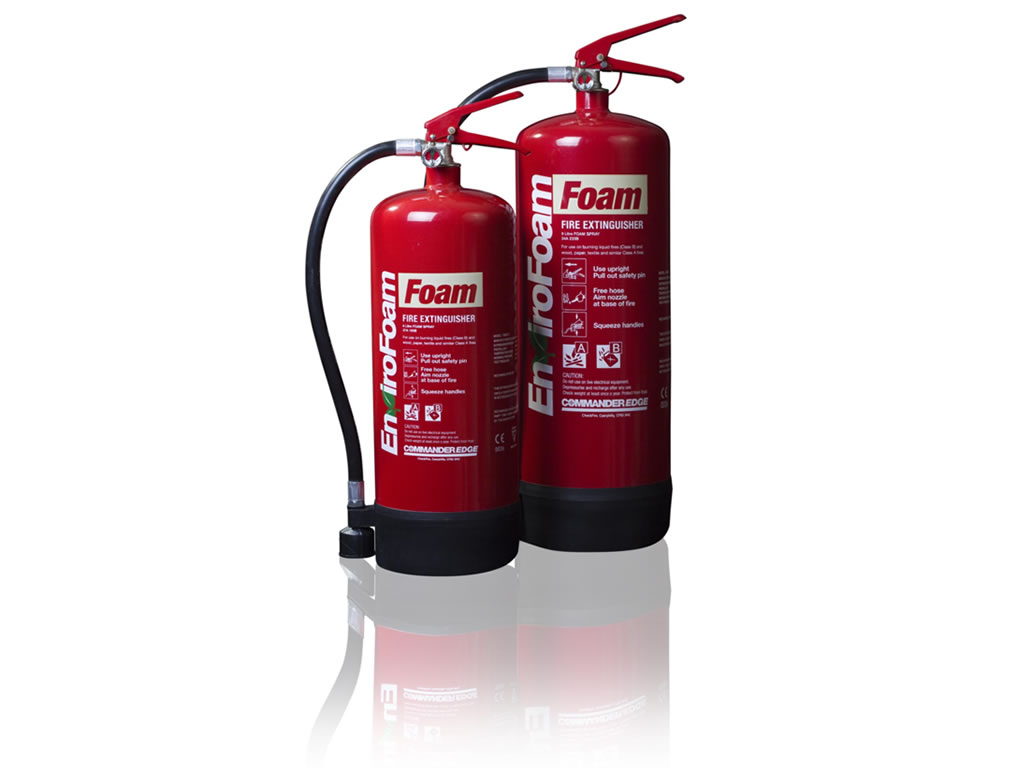
A fire extinguisher foam is a low-density fluid made up of small air-filled water bubbles. Essentially, it has three ingredients mixed in specific proportions: water, foam, and air. Foam extinguishers carry a cream-colored label, whereas wet chemical and water mist fire extinguishers may have labels of yellow and white colors, respectively.
1 AFFF Foam Fire Extinguisher Supplier in Philippines Fire Safety PH
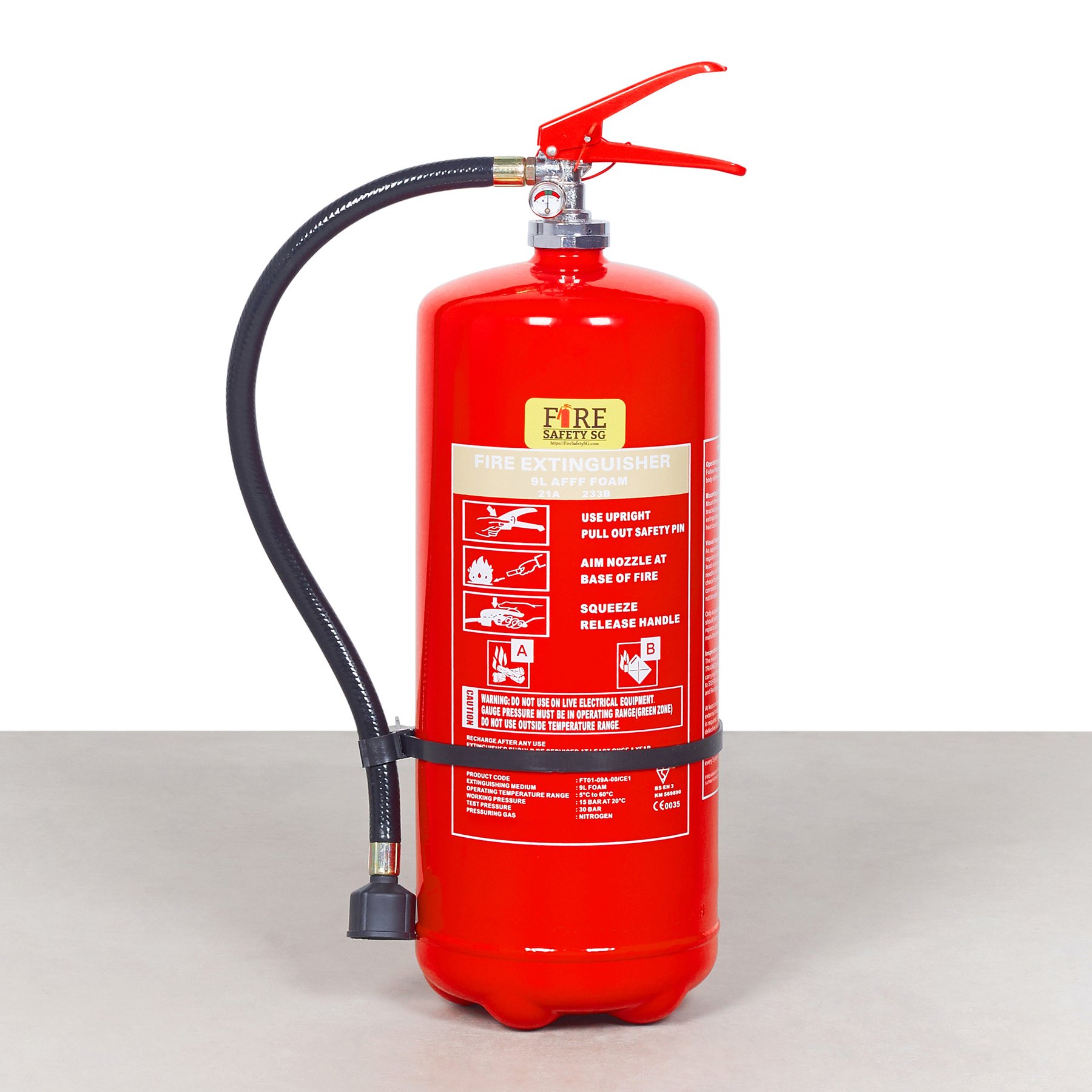
A foam fire extinguisher is water based with a frothy foaming agent. Once directed onto the fire, the foam would float on top of the burning liquid and begin to diminish the reaction between the flames and fuel surface. Its smothering qualities prevent the fire reigniting by suffocating and cooling down burning materials quickly, and preventing.
.